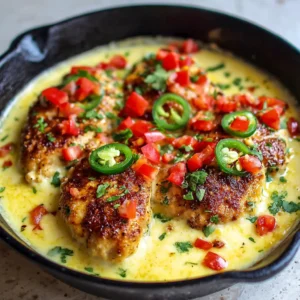
Mastering the art of Poached Salmon is the secret to achieving perfectly moist, tender, and beautifully opaque fish every single time. Unlike pan-searing or roasting, poaching gently cooks the fillets in a flavorful liquid, preventing them from drying out or developing harsh, brown sear marks. The result is a stunningly light pink, melt-in-your-mouth centerpiece that looks like it came straight from a fine dining restaurant.
This foolproof Poached Salmon recipe features a glossy, translucent pale yellow lemon sauce that drips luxuriously down the sides of the flaky fish. Finished with tiny flecks of bright green chopped parsley, fresh dill, and nested raw lemon slices, it is as visually breathtaking as it is delicious. Whether you are hosting an elegant dinner party or enjoying a healthy weeknight meal, this technique is guaranteed to impress.
Why This Elegant Poached Salmon Technique Guarantees Perfection
Cooking fish can be intimidating, but this gentle poaching method removes all the guesswork. By controlling the temperature of the liquid, your Poached Salmon remains incredibly tender.
- Zero Sear Marks: The gentle, submerged cooking method ensures a perfectly uniform, opaque light pink surface.
- Moist and Flaky Texture: Low-temperature poaching prevents the proteins from seizing, locking in moisture and ensuring a delicate flake.
- Glossy Citrus Glaze: A beautifully translucent pale yellow lemon sauce enhances the fish without overpowering it or masking its beautiful color.
- Aromatic Freshness: Tiny flecks of finely chopped fresh parsley and dill add vibrant green pops of color and bright, earthy flavor.

Essential Components for the Ultimate Lemon Poached Salmon
Creating this visually stunning dish requires a carefully balanced poaching liquid and a few simple garnish elements. Here is exactly what you need to achieve that restaurant-quality finish.
Fresh Salmon Fillets: You will need 4 (6 oz / 170g) skinless salmon fillets. Removing the skin ensures a clean, elegant presentation and allows the gentle heat to penetrate evenly.
The Poaching Liquid (Court Bouillon): Combine 4 cups (960ml) water and 1 cup (240ml) dry white wine to form the base. The wine adds gentle acidity and aromatic depth to the fish.
Aromatics and Seasoning: Add 1 tsp (5g) whole black peppercorns and 1 tbsp (15g) kosher salt to the liquid. These foundational, invisible ingredients deeply season the fish from the outside in without altering its pristine pink color.
Glossy Lemon Sauce Elements: You will need 1/4 cup (60ml) fresh yellow lemon juice, 1/2 cup (120ml) reserved poaching liquid, and 1 tsp (3g) cornstarch mixed with 1 tbsp (15ml) cold water. The cornstarch slurry is the secret to achieving a glossy, translucent pale yellow sauce rather than an opaque, cloudy one.
Fresh Herbal Garnishes: Prepare 1 tbsp (4g) chopped fresh green parsley and 1 tbsp (4g) chopped fresh dill. These tiny green flecks provide the essential visual contrast against the pale sauce.
Raw Lemon Accents: Slice 1 whole yellow lemon into thin rounds, then cut them in half. You will need two thin, half-moon slices of raw yellow lemon per plate to nestle against the side of the salmon.
Required Tools for Gentle Fish Poaching
Having the right equipment ensures your fish cooks evenly without falling apart. A wide, shallow cooking vessel is crucial for this technique.
- Wide Skillet or Saute Pan: A pan with high sides allows the fillets to sit flat in a single layer while being fully submerged in the liquid.
- Fish Spatula: A wide, slotted metal spatula is essential for lifting the cooked fillets delicately without breaking their gorgeous, flaky structure.
- Small Saucepan: Needed to quickly reduce and thicken your glossy, translucent pale yellow lemon sauce.
- Instant-Read Thermometer: The absolute best tool to ensure your fish reaches exactly 140°F (60°C) for a moist, opaque finish.

How to Master This Translucent Glazed Fish
Follow these precise steps to achieve a perfectly opaque, light pink fillet. The key to Poached Salmon is patience; never let the liquid reach a rolling boil.
Preparing the Aromatic Poaching Bath
In your wide skillet, combine the water, white wine, kosher salt, and whole black peppercorns. Bring the mixture to a gentle boil over medium-high heat. Once boiling, immediately reduce the heat to low until you see only tiny, lazy bubbles rising to the surface.
Gently Submerging the Fillets
Carefully lower the skinless salmon fillets into the barely simmering liquid using your fish spatula. The liquid should just cover the fish. Let them poach undisturbed for 8 to 10 minutes, depending on thickness, until the flesh turns an opaque, light pink and feels slightly firm to the touch.
Crafting the Translucent Pale Yellow Lemon Sauce
While the fish finishes, carefully ladle 1/2 cup (120ml) of the hot poaching liquid into a small saucepan. Add the fresh lemon juice and bring to a simmer over medium heat. Whisk in the cornstarch and water slurry, stirring continuously for 1 to 2 minutes until the sauce becomes a glossy, translucent pale yellow glaze that coats the back of a spoon.
Plating for Flawless Visual Appeal
Using the fish spatula, lift the Poached Salmon from the liquid, letting any excess drip off, and place it gently on a round white ceramic plate. Pour the glossy lemon sauce evenly over the top of the fish, allowing it to drip beautifully down the sides. Scatter the tiny flecks of bright green chopped parsley and fresh dill across the top, and nestle two thin, half-moon slices of raw yellow lemon against the side.
Culinary Secrets for Moist, Flaky Results
Even simple recipes benefit from professional culinary foresight. Keep these expert tips in mind to ensure your seafood turns out perfectly.
- Watch the Bubbles: If the poaching liquid is boiling vigorously, it will aggressively agitate the fish, causing white albumin to leech out and ruining the clean pink aesthetic. Keep it at a gentle shiver.
- Carryover Cooking is Real: Remove the fish from the liquid when it registers 135°F (57°C) internally. It will continue to cook slightly as it rests, reaching the perfect opaque texture.
- Don’t Skip the Slurry: Using cornstarch instead of heavy cream or excessive butter guarantees the sauce remains beautifully glossy and translucent, allowing the pink fish to peek through.
- Fresh Herbs Only: Dried herbs will look dull and grey. You must use fresh green parsley and dill to achieve those vibrant, picture-perfect flecks.
Keeping Your Leftover Seafood Fresh
Proper storage is essential to maintain the delicate texture of this dish. Allow any leftover fillets to cool completely to room temperature before packing them away.
Place the fish in an airtight container and store in the refrigerator for up to 2 days. Keep the glossy lemon sauce in a separate small container. When reheating, do so very gently in a warm oven at 275°F (135°C) just until heated through, or enjoy the Poached Salmon chilled over a crisp salad.
Perfect Pairings for Your Elegant Dinner
This light, bright dish pairs beautifully with sides that can soak up the extra glossy lemon sauce. Consider serving it alongside classic Greek lemon potatoes for a cohesive, citrus-forward meal.
If you prefer a pasta pairing, a light lemon garlic shrimp pasta complements the fresh seafood theme wonderfully. For larger dinner parties, you might even offer a decadent creamy seafood lasagna as a contrasting, indulgent main course. Looking to create a unique surf-and-turf menu? Pair this delicate fish with a robust garlic butter steak pasta for the ultimate crowd-pleaser.
Frequently Asked Questions About Poached Salmon
Yes, but you must completely thaw the salmon overnight in the refrigerator before poaching. Dropping frozen fish into the hot liquid will drastically drop the temperature and result in unevenly cooked, rubbery fish.
While dry white wine adds incredible depth and gentle acidity, you can skip it if needed. Simply replace the wine with an equal amount of seafood broth or water, and add an extra tablespoon of fresh lemon juice or white wine vinegar to maintain the acidic balance.
Poached Salmon is perfectly cooked when the flesh turns an opaque, light pink color and flakes easily with a fork. For perfect accuracy, an instant-read thermometer should register 135°F to 140°F (57°C to 60°C) in the thickest part of the fillet.
That white substance is called albumin, a liquid protein in the fish. It seeps out when the fish is cooked too quickly or at too high a temperature. To prevent this, ensure your poaching liquid stays at a gentle, lazy simmer rather than a rapid boil.
Cloudy sauces typically occur when heavy cream or excessive amounts of cold butter are whisked in vigorously. By using a small cornstarch slurry with reserved poaching liquid and fresh lemon juice, you ensure the sauce remains glossy and beautifully translucent.
The Ultimate Lemon Herb Poached Salmon Recipe
Flawless Lemon Herb Poached Salmon
Ingredients
Equipment
Method
- In a wide skillet, combine the water, dry white wine, kosher salt, and whole black peppercorns. Bring to a gentle boil over medium-high heat. Reduce the heat to low until you see only tiny, lazy bubbles rising to the surface.
- Carefully lower the skinless salmon fillets into the gently simmering liquid using a fish spatula. Poach undisturbed for 8 to 10 minutes until the flesh turns an opaque, light pink and feels slightly firm.
- Ladle 1/2 cup (120ml) of the hot poaching liquid into a small saucepan. Add the fresh lemon juice and bring to a simmer. Whisk in the cornstarch and water slurry, stirring for 1 to 2 minutes until it becomes a glossy, translucent pale yellow glaze.
- Lift the salmon from the liquid and plate it. Pour the glossy lemon sauce evenly over the top, letting it drip down the sides. Scatter the chopped parsley and dill across the top, and nestle the half-moon lemon slices against the side.
Notes
Use fresh herbs only to achieve bright, vibrant green flecks for presentation.

Share Your Poached Salmon Success
There is nothing quite like mastering a culinary classic. This incredibly moist, opaque Poached Salmon with its signature translucent lemon sauce is sure to become a regular in your dinner rotation.
If you loved the glossy glaze and perfect flaky texture of this recipe, please leave a star rating and a comment below to let us know! Don’t forget to sign up for our newsletter for more foolproof seafood techniques, and be sure to share your beautiful, perfectly plated creations with us on Pinterest.