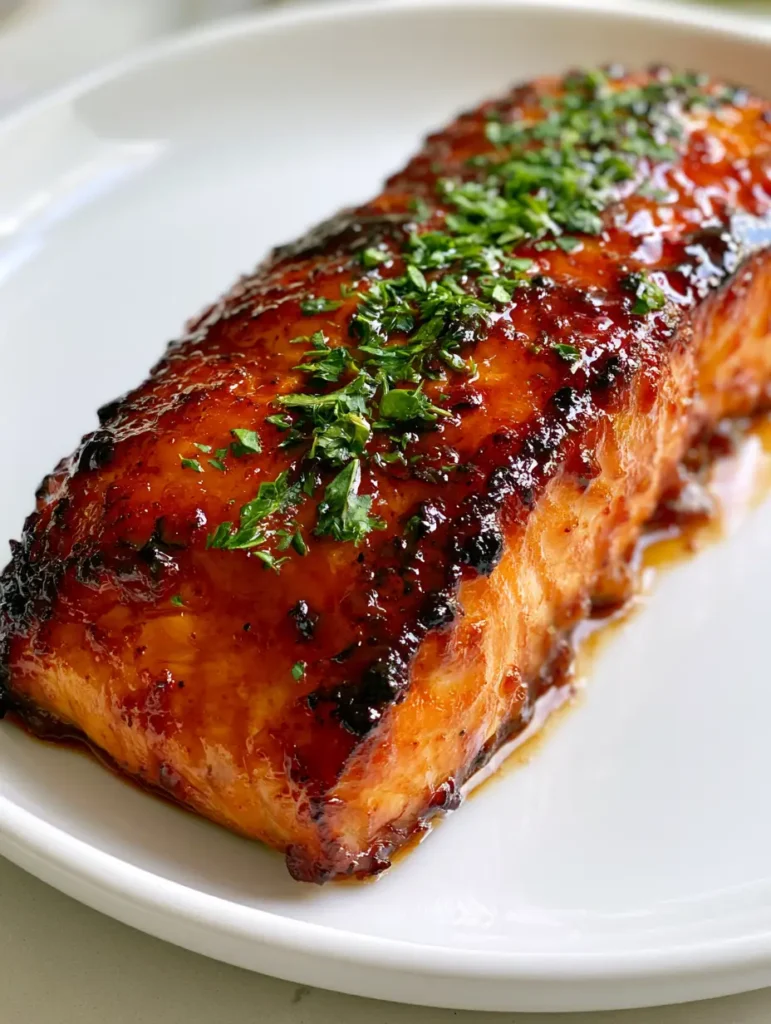
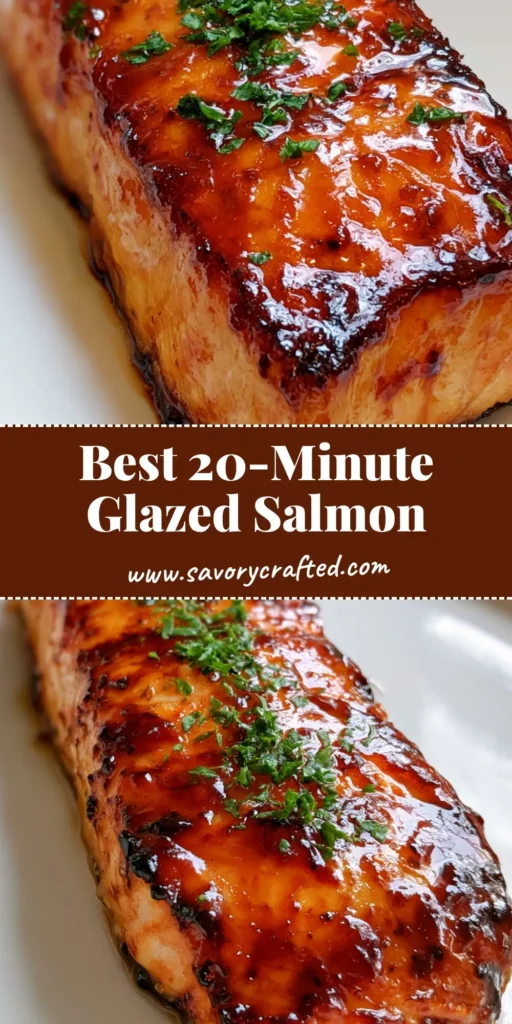
Brown Sugar Glazed Salmon is the ultimate weeknight luxury that brings restaurant-quality results to your dinner table in under 20 minutes. This stunning dish features a thick salmon fillet bathed in a deep amber, glossy brown sugar sauce that transforms in the oven into a sticky, savory-sweet masterpiece. If you are looking for that perfect balance of flaky fish and caramelized, slightly charred edges, this recipe is designed to deliver high-impact flavor with minimal effort.
When you pull this Brown Sugar Glazed Salmon out of the oven, the first thing you will notice is the way the light catches the glossy glaze. The sugar bubbles and reduces, creating a rich coating that clings to every flake of the fish. Much like my popular honey garlic salmon bites, this recipe relies on the magic of high-heat caramelization to create a texture that is both tender and crisp.
Why This Is The Best Brown Sugar Glazed Salmon You Will Ever Make
- The Perfect Gloss: We use a specific ratio of dark brown sugar and acidity to ensure the glaze stays glossy and deep amber rather than running off the fish.
- Caramelized Edges: By utilizing a quick broil at the end, we achieve those slightly charred, crispy edges that define a professional-grade salmon dish.
- Foolproof Flakiness: Our temperature-controlled method ensures the salmon is perfectly cooked and flaky, never dry or rubbery.
- Visual Appeal: The contrast of the fresh green chopped parsley flakes against the dark glaze on a white ceramic plate makes this a Pinterest-worthy meal every single time.
If you enjoy this flavor profile, you might also love the savory crunch of my parmesan crusted salmon for a different take on a seafood staple.
The Science Behind The Glaze Ingredients
Every ingredient in this Brown Sugar Glazed Salmon serves a culinary purpose. Understanding the “why” helps you master the technique for perfect results every time.
Salmon Fillets: Choose thick-cut fillets, about 1.5 inches (4cm) thick. Thick fillets allow the outside to caramelize while the center remains juicy and tender.
Dark Brown Sugar: 1/2 cup (100g). We prefer dark brown sugar for its higher molasses content, which contributes to the deep amber color and complex sweetness.
Soy Sauce: 2 tablespoons (30ml). This provides the essential umami and salt to balance the sugar, helping the glaze develop that glossy texture.
Dijon Mustard: 1 tablespoon (15g). The mustard acts as an emulsifier, binding the oil and sugar together so the glaze sticks to the fish instead of sliding into the pan.
Garlic: 2 cloves, minced. Fresh garlic infuses the oil and sugar with an aromatic depth that cuts through the richness of the salmon.
Smoked Paprika: 1/2 teaspoon (1g). This adds a subtle hint of “char” flavor even before the salmon hits the broiler, enhancing the caramelized edges.
Fresh Parsley: 1 tablespoon (4g), finely chopped. These parsley flakes provide a necessary pop of color and a fresh finish to the heavy glaze.
Step-by-Step Instructions for Perfect Caramelization
Preparing the Salmon Base
Start by preheating your oven to 400°F (200°C). Line a baking sheet with parchment paper or foil for easy cleanup. Pat your salmon fillet bone-dry with paper towels. Moisture is the enemy of caramelization. If the fish is wet, it will steam rather than sear.
Season the fillet lightly with kosher salt and cracked black pepper. Even though the glaze is flavorful, seasoning the protein directly ensures a well-rounded bite.
Whisking the Deep Amber Glaze
In a small bowl, combine the dark brown sugar, soy sauce, Dijon mustard, minced garlic, and smoked paprika. Whisk vigorously until the sugar has mostly dissolved into the liquids. The mixture should look like a thick, glossy syrup.
If the glaze feels too thin, let it sit for two minutes; the sugar will continue to hydrate and thicken the sauce naturally.
The First Bake
Place the salmon on the prepared tray. Using a pastry brush, coat the top and sides of the fillet generously with half of the glaze. Place in the center rack of the oven and bake for 8-10 minutes.
At this stage, the salmon is cooking through, and the brown sugar glaze is beginning to set, but it hasn’t yet reached that deep amber, glossy stage we want.
The Broil: Achieving Caramelized Edges
Remove the tray and brush the remaining glaze over the perfectly cooked salmon. Turn your oven to the “Broil” setting (high). Place the tray back in the oven, about 5-6 inches (15cm) away from the heating element.
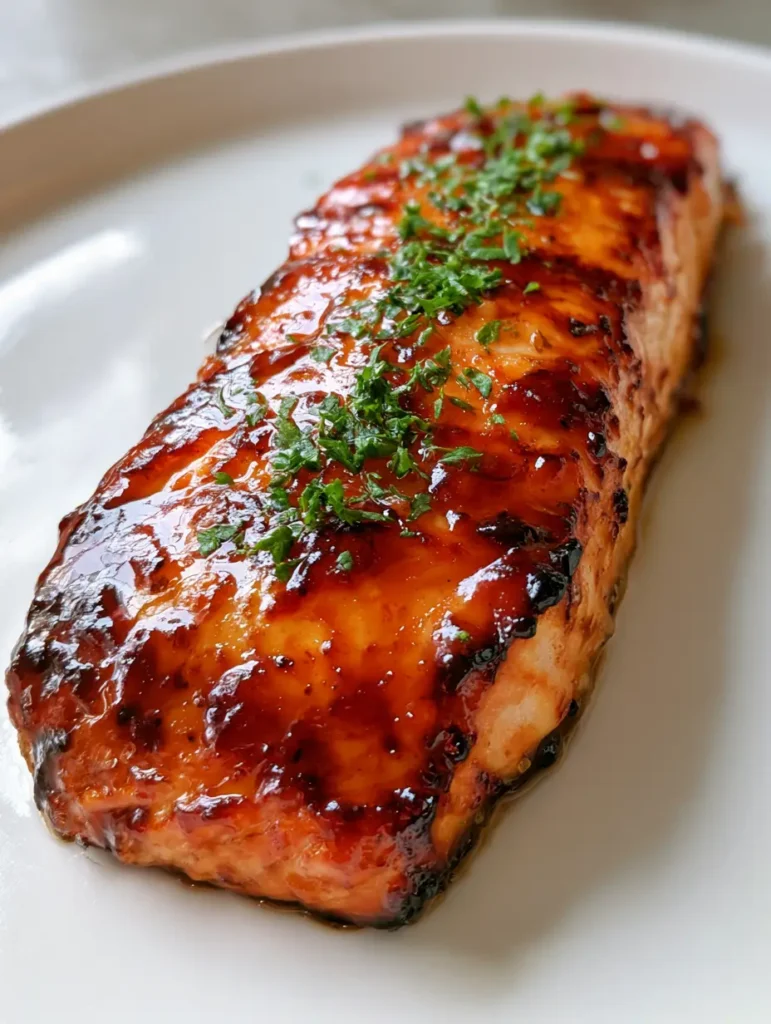
Watch closely for 2-3 minutes. You are looking for the sugar to bubble rapidly and the edges to become slightly charred and caramelized. The glaze should transform into a glossy, deep amber coating that looks like liquid gold.
The Final Garnish
Carefully transfer the salmon to a simple white ceramic plate. Immediately sprinkle the fine fresh green chopped parsley flakes over the top. The residual heat will slightly soften the parsley, releasing its aroma. Serve immediately while the glossy brown sugar sauce is still warm and tacky.
Expert Tips for Success
- Room Temperature: Take the salmon out of the fridge 15 minutes before cooking. This ensures the salmon is flaky and even throughout.
- Don’t Over-Broil: Sugar burns quickly. Once you see the caramelized edges forming, remove it immediately. A few seconds can be the difference between “charred” and “burnt.”
- Skin On or Off? We recommend skin-on for baking as it protects the delicate flesh, but if you prefer the glaze on all sides, you can use skinless fillets.
- Glaze Consistency: If your glaze is too thick to brush, microwave it for 5-10 seconds to loosen the molasses in the brown sugar.
For a complete meal, I love serving this alongside a fresh mexican street corn salad or even some garlic parmesan shrimp and veggies (coming soon) for a true surf-and-turf experience.
Storage, Reheating & Freezing
To Store: Keep leftover Brown Sugar Glazed Salmon in an airtight container in the refrigerator for up to 2 days. The glaze will thicken further when cold.
To Reheat: Avoid the microwave if possible, as it can make the salmon rubbery. Instead, place the salmon in a 300°F (150°C) oven for 5-8 minutes until warmed through. This helps maintain the glossy sauce texture.
To Freeze: We do not recommend freezing the cooked salmon with the glaze, as the brown sugar sauce can become watery upon thawing. It is best enjoyed fresh!
What to Serve With This Salmon
Because the Brown Sugar Glazed Salmon is quite rich and sweet, it pairs beautifully with bright, acidic, or neutral sides. A bed of jasmine rice is excellent for soaking up any extra glossy amber glaze.
For a low-carb option, try a crisp green salad or roasted asparagus. If you want something more adventurous, the flavor profile pairs surprisingly well with the tangy notes of a vietnamese noodle salad.
Frequently Asked Questions
Yes, you can use light brown sugar, though the glaze will be slightly lighter in color and have a less intense molasses flavor than the dark version.
No marination is needed! The brown sugar glaze is so potent and caramelizes so quickly under the broiler that it provides maximum flavor in minutes.
The key is patting the salmon completely dry before seasoning and using Dijon mustard in the glaze, which acts as an emulsifier to help the sauce cling to the fish.
For flaky and tender results, pull the salmon when the internal temperature reaches 135°F (57°C). It will rise to 140°F-145°F while resting.
Sugar burns at high temperatures. Ensure your salmon is not too close to the broiler element and watch it constantly during the last 2-3 minutes of cooking.
The Ultimate Brown Sugar Glazed Salmon Recipe

Brown Sugar Glazed Salmon with Caramelized Edges
Ingredients
Equipment
Method
- Preheat oven to 400°F (200°C). Pat salmon fillets completely dry and season with salt and pepper.
- Whisk brown sugar, soy sauce, Dijon, garlic, and paprika until a glossy syrup forms.
- Brush salmon with half the glaze. Bake for 8-10 minutes until just starting to flake.
- Brush with remaining glaze. Broil on high for 2-3 minutes until edges are caramelized and charred.
- Plated on a white ceramic plate, sprinkle with fresh parsley flakes and serve immediately.
Notes
Always pat the salmon dry to ensure the glaze sticks and caramelizes properly.
Join the Savory Crafted Community!
Did your Brown Sugar Glazed Salmon turn out with those perfect caramelized edges? I want to see! Save this recipe to your Pinterest “Dinner Ideas” board so you never lose it. Follow @savorycrafted for more 20-minute meal inspirations.
Leave a 5-star rating in the recipe card above and drop a photo of your glossy salmon in the comments below. Your feedback helps other home cooks master the art of the perfect glaze!