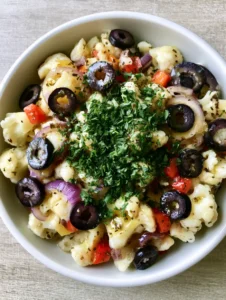
When it comes to the perfect lunchtime meal, few things rival the vibrant colors and bold flavors of a classic Greek Olive Pasta Salad. This dish is a celebration of the Mediterranean pantry, bringing together the briny punch of Kalamata olives with the creamy richness of sheep’s milk feta.
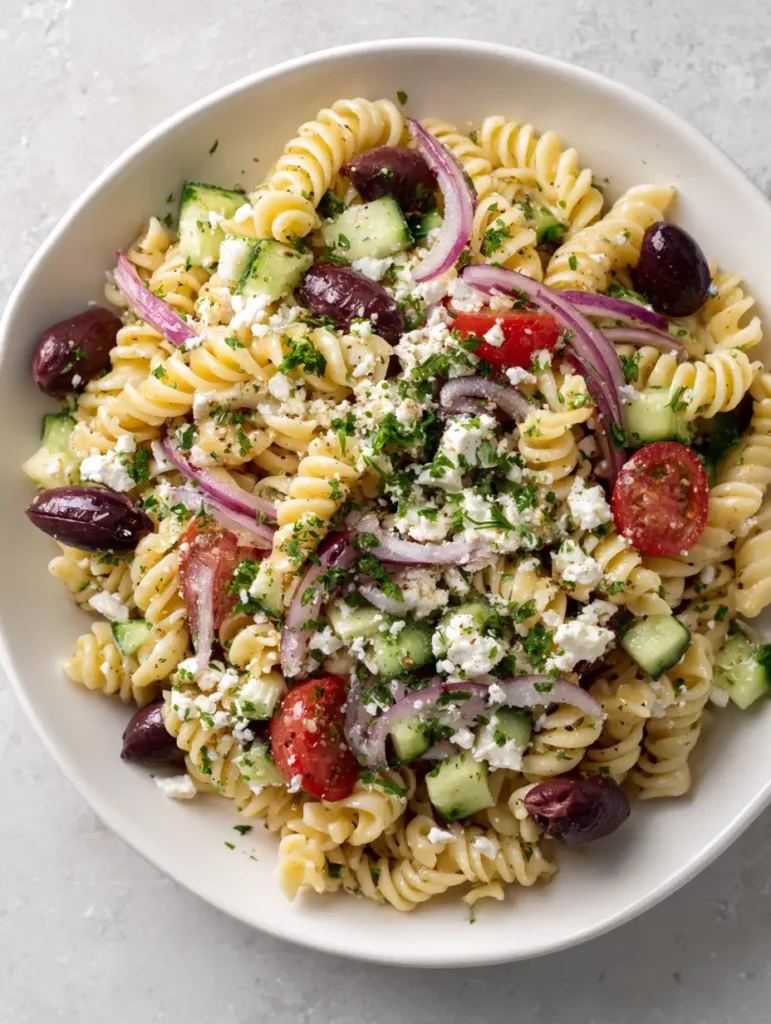
Our version captures the essence of a sun-drenched coastal kitchen, utilizing simple, high-quality ingredients to create a meal that is both refreshing and deeply satisfying. The visual appeal is undeniable, featuring bright red tomatoes and deep purple olives nestled in spirals of perfectly cooked rotini.
Whether you are prepping for a busy work week or looking for the star side dish at your next outdoor gathering, this Greek Olive Pasta Salad delivers professional results with minimal effort. Let’s dive into the culinary science that makes this salad a standout success.
Why This Mediterranean Rotini Bowl Stands Out
- Textural Contrast: The combination of al dente pasta spirals, crisp diced cucumbers, and soft crumbled feta provides a satisfying mouthfeel in every single bite.
- Aromatic Herb Infusion: We use a clear, herb-steeped oil dressing that coats the pasta without making it soggy, ensuring the fresh parsley flavors shine through.
- Visually Stunning Presentation: Following our specific plating guide ensures your salad looks exactly like a high-end food photograph, with vibrant red slivers and dark purple accents.
- Balanced Acidity: The sharp bite of red wine vinegar and the briny notes of the Kalamata olives are perfectly balanced by the earthy, neutral base of the rotini.
The Anatomy of a Perfect Greek Olive Pasta Salad
Creating an elite Greek Olive Pasta Salad requires understanding the role of every component. We don’t just throw ingredients in a bowl; we select them for their structural integrity and flavor profile to ensure the final dish is cohesive.
Dried Rotini Pasta: 1 lb (454g). The spiral shape of rotini is scientifically superior for this recipe because the twists act as “flavor traps,” holding onto the herb-infused dressing and small bits of feta.
Cherry Tomatoes: 2 cups (300g). These provide a burst of sweet acidity; halving them exposes the seeds and juices, which mingle with the vinaigrette to create a natural sauce.
English Cucumbers: 1 large (approx. 300g). We prefer English cucumbers for their thin skin and minimal seeds, providing a clean “crunch” that contrasts with the soft pasta.
Red Onion: 1/2 medium (75g). Slicing these into paper-thin slivers ensures you get the sharp, pungent flavor without the overwhelming texture of a large onion chunk.
Kalamata Olives: 1 cup (150g). These dark purple gems are the heart of the Greek Olive Pasta Salad, offering a meaty texture and a distinct wine-like fermentation flavor.
Feta Cheese: 6 oz (170g). Use a high-quality block of feta and crumble it by hand to achieve those varied, rustic white chunks that look so beautiful in a white ceramic bowl.
Fresh Flat-Leaf Parsley: 1/2 cup (15g), finely chopped. This isn’t just a garnish; it adds a grassy, fresh top note that cuts through the richness of the oil and cheese.
Extra Virgin Olive Oil: 1/2 cup (120ml). This foundational fat carries the herb flavors and provides that “lightly coated” sheen visible in professional food photography.
Red Wine Vinegar: 3 tbsp (45ml). The essential acid component that brightens the entire dish and helps preserve the vibrant colors of the vegetables.
Dried Oregano and Garlic Powder: 1 tsp each. These “invisible” ingredients provide the savory backbone to the vinaigrette, ensuring it tastes as good as it looks.
Kosher Salt and Black Pepper: To taste. Essential for heightening the natural flavors of the raw vegetables and the pasta water.
Essential Equipment for Mediterranean Success
To achieve the precise cuts and textures described in our visual blueprint, a few key tools are necessary. A sharp chef’s knife is non-negotiable for achieving those thin slivers of red onion and cleanly halved tomatoes.
A large stainless steel or ceramic mixing bowl is ideal for tossing the Greek Olive Pasta Salad without bruising the delicate cucumbers. You will also need a fine-mesh whisk to emulsify your clear herb dressing, ensuring the oil and vinegar don’t separate.
Finally, a large pot for boiling the rotini and a colander for immediate draining are essential. Cooling the pasta correctly is the secret to a salad that isn’t gummy or sticky.
Mastering the Mediterranean Method: Step-by-Step
Achieving the Perfect Al Dente Foundation
Bring a large pot of heavily salted water to a rolling boil. Use about 1 tbsp (15g) of salt for every 4 quarts (4L) of water to season the rotini from the inside out.
Add 1 lb (454g) of rotini and cook for approximately 8-10 minutes. Begin tasting the pasta 2 minutes before the package directions end; you want a firm “bite” in the center to prevent the salad from becoming mushy after dressing.
Drain the pasta and rinse immediately under cold running water for 30 seconds. This stops the cooking process and removes excess surface starch, ensuring each spiral remains distinct and non-sticky.
Precision Vegetable Preparation
While the pasta cools, begin your knife work. Slice the cherry tomatoes in half lengthwise to create vibrant red teardrops that catch the light.
Dice the English cucumber into 1/2-inch (1.25cm) cubes. This size ensures the cucumber doesn’t get lost among the pasta spirals but remains easy to spear with a fork.
Peel and slice the red onion into the thinnest possible slivers. If you find raw onion too sharp, soak the slivers in ice water for 5 minutes then pat dry to mellow the flavor.
Emulsifying the Clear Herb Vinaigrette
In a small glass jar or bowl, combine the 1/2 cup (120ml) of olive oil, 3 tbsp (45ml) of red wine vinegar, dried oregano, and garlic powder. Whisk vigorously until the mixture is slightly thickened and opaque.
The goal is a clear, herb-infused coating. Unlike a creamy balsamic dressing, this vinaigrette should feel light and highlight the natural fats of the feta and olives.
The Art of the Toss and Garnish
In your large mixing bowl, combine the cooled rotini, halved tomatoes, diced cucumbers, and onion slivers. Pour the dressing over the top and toss gently with large spoons until every crevice of the rotini is coated.
Fold in the whole and sliced Kalamata olives. By using both whole and sliced olives, you create visual depth and ensure the briny flavor is distributed throughout the Greek Olive Pasta Salad.
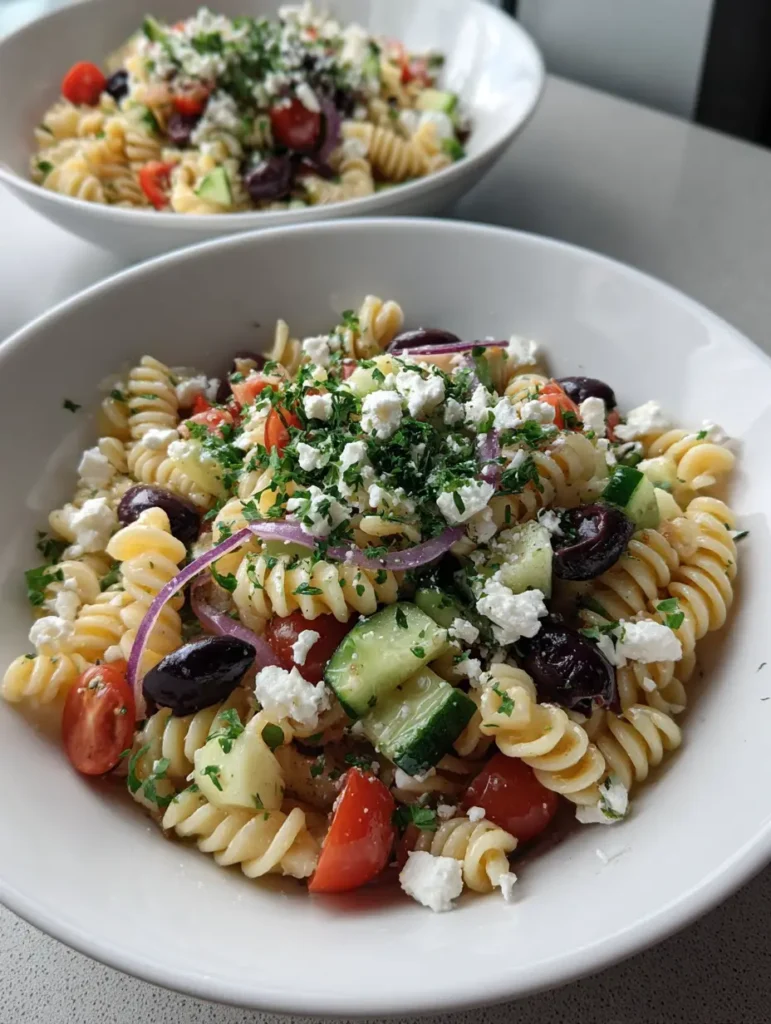
Finish with a heavy garnish of the hand-crumbled white feta cheese and the finely chopped fresh parsley flakes. Avoid over-mixing once the feta is added to keep the cheese chunks distinct and white.
Pro Tips for Greek Olive Pasta Salad Excellence
- Temperature Control: Never dress warm pasta for a salad. If the rotini is still hot, it will absorb the oil and lose its sheen, resulting in a dry-looking dish.
- Olive Selection: Always look for “Pitted Kalamata Olives” in brine. Avoid canned black olives, as they lack the fermented complexity required for a true Mediterranean profile.
- The Salting Rule: Since feta and olives are naturally salty, wait until the very end to add additional Kosher salt. Taste a “complete bite” with all elements before seasoning.
- Make-Ahead Strategy: This salad actually tastes better after 2 hours in the fridge, allowing the flavors to meld. However, add the fresh parsley right before serving to keep the green color vibrant.
What to Serve with Your Mediterranean Creation
This Greek Olive Pasta Salad is hearty enough to stand alone as a lunch, but it also pairs beautifully with various proteins. For a complete dinner, serve it alongside grilled seafood skewers to lean into the coastal theme.
If you are hosting a summer cookout, this salad provides a fresh contrast to heavier dishes like crack chicken tenders or even as a side for Greek chicken gyros.
For those looking for a different texture, you might also enjoy comparing this to a roasted vegetable orzo salad, which offers a similar flavor profile with a smaller pasta grain.
Frequently Asked Questions
Yes, this salad is excellent for meal prep. It stays fresh in the refrigerator for up to 3-4 days. For the best visual appeal, add the fresh parsley right before serving.
The key is cooking the rotini to al dente and rinsing it immediately under cold water. This stops the starch from swelling and keeps the pasta firm when it absorbs the dressing.
This specific recipe uses wheat-based rotini, but you can easily make it gluten-free by substituting your favorite high-quality gluten-free rotini or fusilli.
If you cannot find Kalamata, Niçoise or Gaeta olives are the best substitutes as they offer a similar briny, fermented profile. Avoid standard canned black olives if possible.
English cucumbers have thinner skins and fewer seeds, which prevents the salad from becoming watery and ensures a consistent crunch in every bite.
The Ultimate Greek Olive Pasta Salad Recipe Card
Ready to bring the flavors of the Mediterranean to your table? This Greek Olive Pasta Salad is the perfect balance of fresh vegetables, briny olives, and tangy vinaigrette. Follow the precise measurements below for guaranteed success.
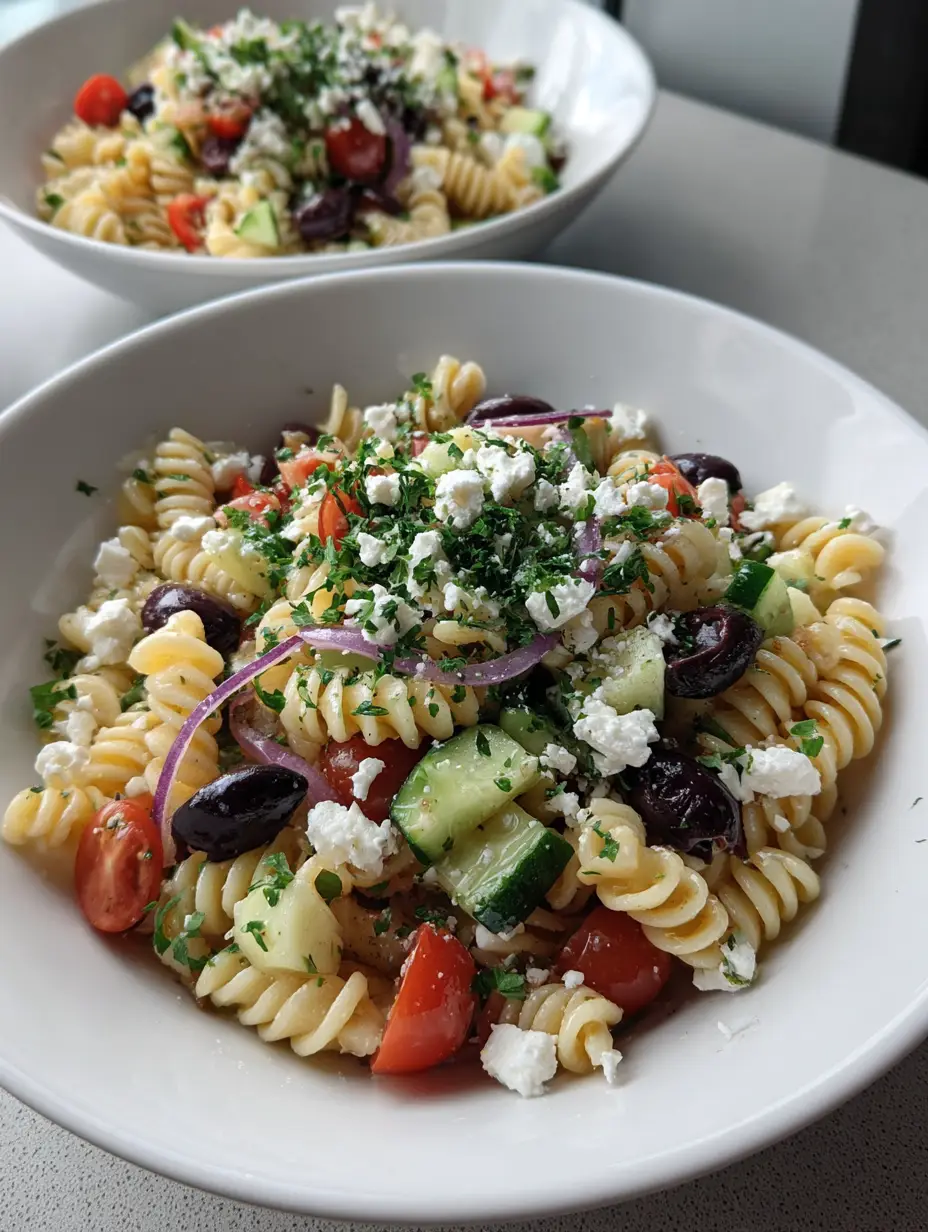
Greek Olive Pasta Salad: The Ultimate Mediterranean Rotini Recipe
Ingredients
Equipment
Method
- Boil the rotini in salted water until al dente. Drain and rinse under cold water immediately to stop the cooking process and remove excess starch.
- Halve the cherry tomatoes, dice the cucumber, and slice the red onion into thin slivers. Finely chop the parsley.
- Whisk together the olive oil, red wine vinegar, dried oregano, and garlic powder until a clear, infused emulsion forms.
- Toss the pasta with the dressing and vegetables. Fold in the Kalamata olives and top with a heavy garnish of crumbled feta and parsley.
Notes
Wait to salt the salad until after the feta and olives are added.
Closing & Call to Action
There is nothing quite like a bowl of Greek Olive Pasta Salad to brighten up your meal rotation. Its combination of fresh produce and pantry staples makes it a reliable, high-protein vegetarian option that never fails to impress.
If you enjoyed this recipe, please leave a comment below and let us know how it turned out! Don’t forget to share your creations on social media and follow us on Pinterest for more culinary inspiration.