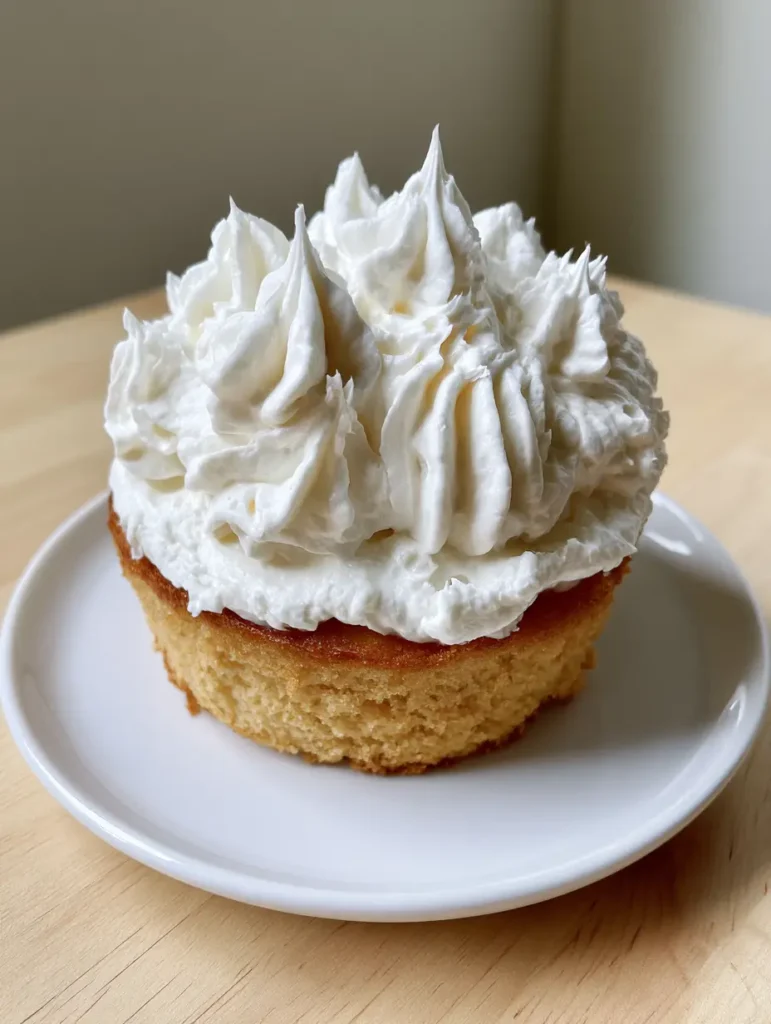
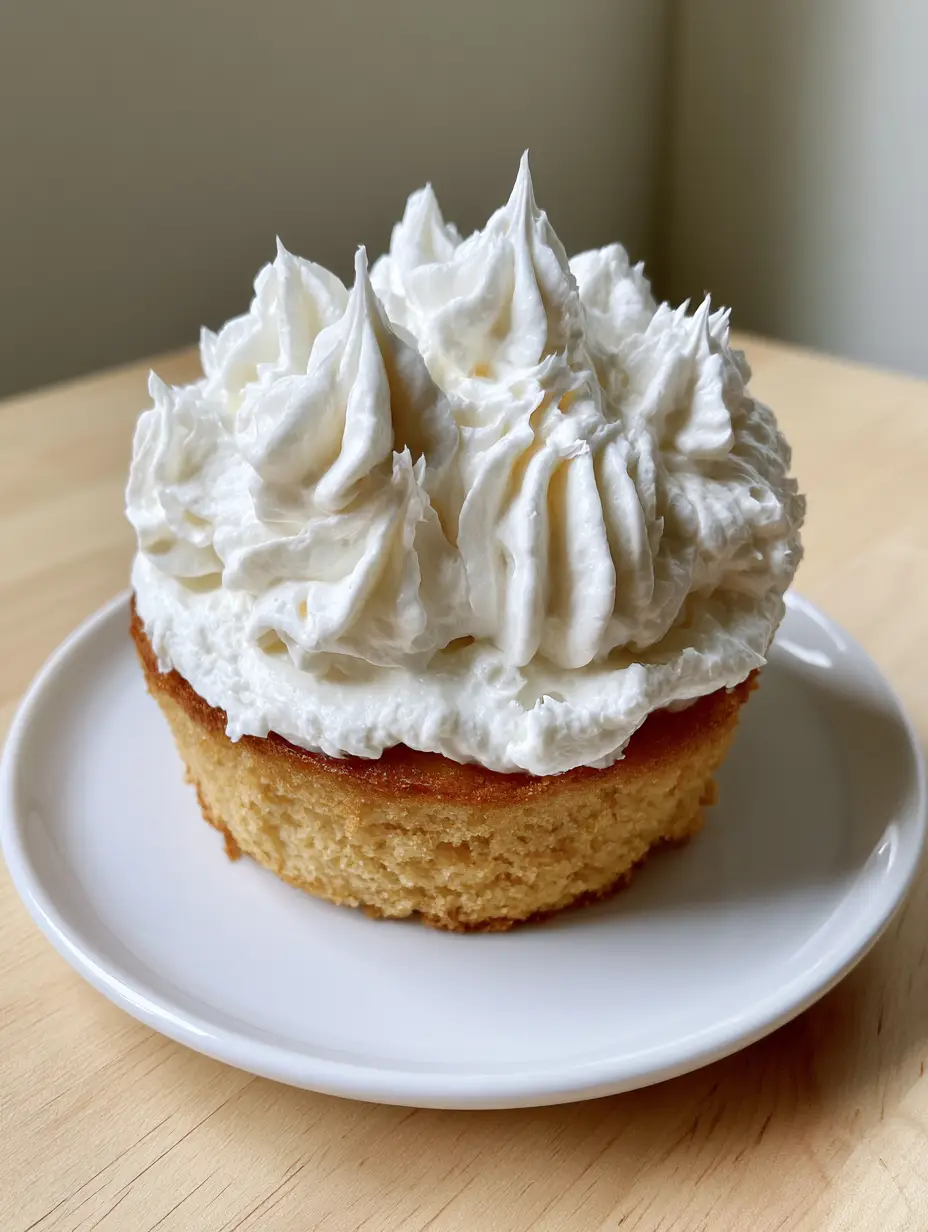
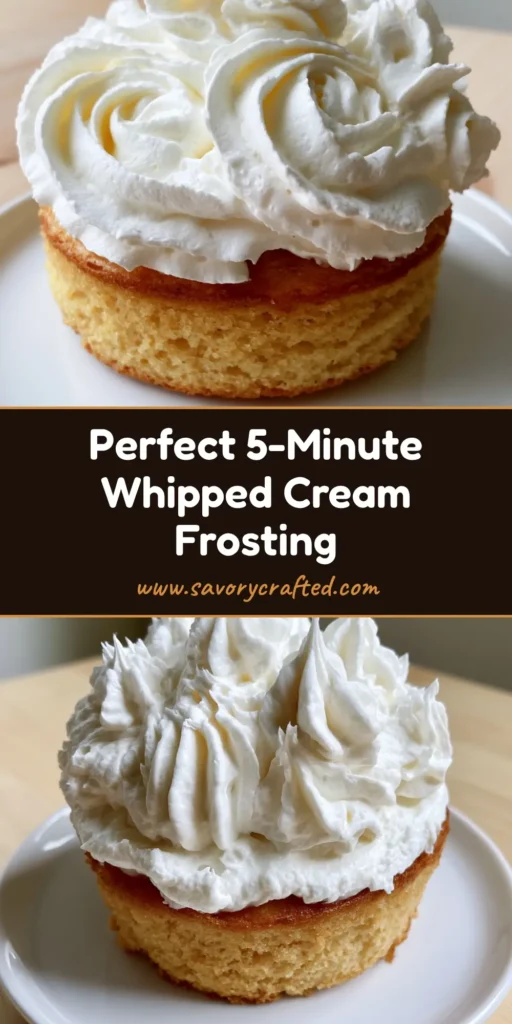
There is nothing quite like the sight of a golden vanilla sponge cake draped in a thick, dense layer of Whipped Cream Frosting. This isn’t just a topping; it is a structural masterpiece of dairy science that provides a smooth, velvety finish and a subtle dairy sheen that catches the natural daylight perfectly.
When you use a palette knife to create those deep textured swirls and firm, stiff peaks, you are transforming a simple dessert into a professional-grade centerpiece. The contrast between the fine, moist crumb of the cake and the cloud-like density of the cream is a sensory experience every home baker should master.
In this guide, we are diving deep into the mechanics of aeration and temperature to ensure your Whipped Cream Frosting never falls flat. Whether you are topping a single-layer celebration cake or looking for a lighter alternative to buttercream, this recipe delivers the stability and flavor you crave.
Why This Stiff-Peak Whipped Cream Frosting Works
- Textural Integrity: Unlike store-bought tubs, this version utilizes granulated sugar and high-fat cream to create a structure that holds deep spatula swirls without weeping.
- Balanced Sweetness: By using high-quality vanilla extract and a precise amount of sugar, the natural richness of the dairy remains the star of the show.
- Visual Precision: This recipe is engineered to achieve the exact “stiff peak” stage required for palette knife application and sharp decorative edges.
- Versatile Pairing: It is the perfect companion for a strawberry shortcake sheet cake or even as a light topping for fruit-based desserts.
The Essential Components for a Velvety Finish
Heavy Whipping Cream: You must use cream with at least 36% milk fat content to achieve the dense, stable texture seen in our visual blueprint. The fat globules are the “bricks” that build the walls of your frosting’s structure.
Granulated Sugar: While some use powdered sugar, granulated sugar provides a unique structural stability and a cleaner mouthfeel. It dissolves during the whipping process, helping to tether the air bubbles together for those firm peaks.
Pure Vanilla Extract: This provides the floral, aromatic backbone that complements the golden vanilla sponge cake base. Always use pure extract rather than imitation for the most authentic flavor profile.
Fine Sea Salt: A tiny pinch of salt is the “invisible” ingredient that cuts through the richness of the fat. It balances the sugar and enhances the dairy’s natural sweetness.
Cold Metal Bowl: While not an ingredient, the temperature of your equipment is vital for success. A chilled bowl ensures the fat remains solid, allowing for maximum air entrapment and a smooth, velvety finish.
Tools Required for Professional Results
To achieve the “handheld smartphone photo” aesthetic with deep, textured swirls, you will need a few specific tools. A stand mixer or electric hand mixer is non-negotiable for reaching the necessary velocity for stiff peaks.
A stainless steel or glass bowl is preferred over plastic, as plastic can retain grease which prevents the cream from aerating. Most importantly, have a palette knife or offset spatula ready to create those iconic swirled textures on your cake.
The Science of Prepping Your Vanilla Sponge Base
Before applying your Whipped Cream Frosting, your cake must be completely cool to the touch. If the cake is even slightly warm, the fat in the cream will melt, causing your beautiful swirls to slide right off the sides.
The golden vanilla sponge cake described in our blueprint features a fine, moist crumb. To achieve this, ensure your eggs and butter are at room temperature before baking to create a stable emulsion that holds air during the bake.
Mastering the Art of the Perfect Swirl
Chilling and Initial Aeration
Place your mixing bowl and whisk attachment in the freezer for at least 10 minutes before starting. Pour 2 cups (480ml) of cold heavy whipping cream into the chilled bowl and add 1/4 cup (50g) of granulated sugar.
Start the mixer on a low speed to gradually incorporate the sugar and prevent splashing. You will notice small bubbles forming on the surface as the proteins in the cream begin to stretch and trap air.
Reaching the Soft Peak Stage
Increase the speed to medium-high and add 1.5 tsp (7.5ml) of vanilla extract and a pinch of salt. Watch closely as the liquid begins to thicken and take on a matte appearance, losing its watery translucence.
Stop the mixer when the beaters leave slight trails in the cream. At this “soft peak” stage, the cream will slump over when the whisk is lifted, which is perfect for a frozen peach smoothie topper, but not yet ready for frosting a cake.
Achieving Firm, Stiff Peaks
Continue whipping on medium speed, monitoring the texture every 10-15 seconds. You are looking for the “Visual Cue” of the cream holding its shape entirely without drooping.
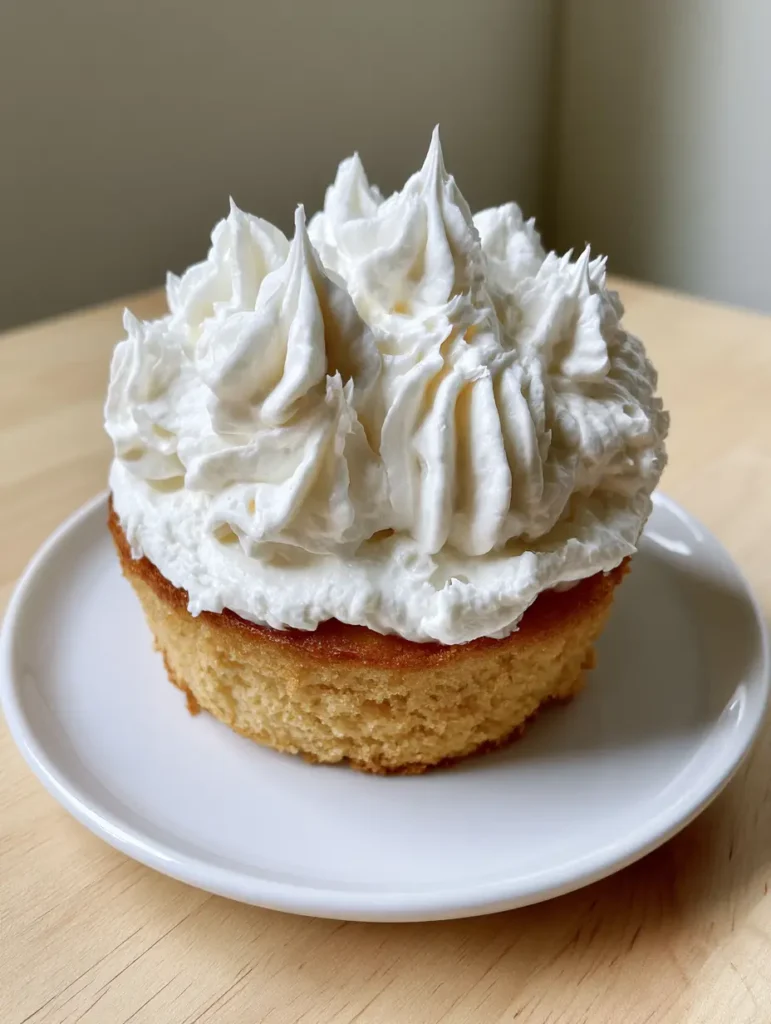
The frosting should look dense and white with a slight dairy sheen. If you over-beat at this stage, the cream will become grainy; stop as soon as the peaks stand straight up like the ones in our handheld photo.
The Palette Knife Application
Dollop the Whipped Cream Frosting onto the center of your single-layer golden sponge cake. Using a palette knife, push the cream toward the edges in a circular motion, keeping the layer thick and substantial.
To create the deep textured swirls, press the tip of the spatula into the cream and lift slightly while rotating. This technique creates the firm peaks that catch the light, giving the cake its unedited, authentic beauty.
Expert Tips for Stable Whipped Cream
- Don’t Rush the Speed: High speeds create large, unstable air bubbles. Medium-high speed creates smaller, uniform bubbles that result in a much denser, smoother finish.
- Stabilize if Necessary: If you are serving this outdoors, consider adding a teaspoon of non-fat dry milk powder to the sugar to help the frosting hold its shape for longer.
- Watch the Sheen: A healthy Whipped Cream Frosting should have a slight dairy sheen. If it looks dull or curdled, you have gone too far into the butter-making territory.
- Flavor Variations: While vanilla is classic, you can fold in a bit of cocoa for a lighter version of chocolate pudding frosting or citrus zest for a bright twist.
The Best Pairings for Your Dessert
This frosting is incredibly versatile and pairs beautifully with various textures. It provides a cooling contrast to a warm pineapple lemonade candy apple or acts as the perfect cloud-like layer for fruit tarts.
If you are hosting a summer BBQ, serve this cake alongside savory favorites like garlic butter steak bites or even bbq egg rolls. The lightness of the whipped cream is the ultimate palate cleanser after a rich, savory meal.
Frequently Asked Questions
Yes, you can use powdered sugar, but granulated sugar actually provides better structural stability for stiff peaks. If using powdered sugar, add a teaspoon of cornstarch to mimic the stabilizing effect.
Yes. Chilling the bowl and whisk ensures the fat in the cream remains solid during aeration, which is critical for achieving a dense, smooth, and velvety finish.
To stabilize the frosting for heat, you can add 1 tablespoon of non-fat dry milk powder or a small amount of melted, cooled gelatin during the whipping process.
When properly whipped to stiff peaks with granulated sugar, this frosting will hold its texture for up to 24-48 hours in the refrigerator.
Grainy frosting is a sign of over-beating. When you whip past the stiff peak stage, the fat globules begin to clump together to form butter. Stop whipping as soon as the peaks stand straight.
The Ultimate Whipped Cream Frosting Recipe
Whipped Cream Frosting: Mastering The Art of Stiff, Velvety Peaks
Ingredients
Equipment
Method
- Place your metal mixing bowl and whisk attachment in the freezer for 10-15 minutes to ensure they are ice cold.
- Pour the cold heavy whipping cream (480ml) and granulated sugar (50g) into the chilled bowl.
- Beat on low speed for 1 minute to dissolve the sugar and begin initial aeration.
- Increase speed to medium-high and add vanilla and salt. Continue whipping until soft peaks form.
- Monitor closely and stop once the cream holds firm, stiff peaks that do not droop. The cream should look thick and velvety with a dairy sheen.
- Apply the frosting to a cooled vanilla sponge cake using a palette knife, creating deep swirls and peaks as shown in the visual guide.
Notes
Stop whipping immediately once stiff peaks form to avoid the cream becoming grainy.
Storage and Make-Ahead Advice
Whipped Cream Frosting is best enjoyed immediately after application to maintain its airy, velvety texture. However, if you have leftovers, store the cake in an airtight container in the refrigerator for up to 48 hours.
We do not recommend freezing this frosting once it is on the cake, as the ice crystals will damage the delicate fat structure. Upon thawing, the cream will likely weep and lose those beautiful swirled peaks you worked so hard to create.
Closing & Call to Action
Mastering this Whipped Cream Frosting is a rite of passage for every baker who values texture and authentic flavor. The dense, swirled finish on a golden sponge is a timeless look that never fails to impress. If you loved this tutorial, please leave a comment below and share your cake photos with us! Don’t forget to follow savorycrafted on Pinterest for more culinary inspiration.